What Is a Flag Spike Ground Stake?
A flag spike ground stake is a pointed metal or heavy-duty plastic anchor designed to be driven directly into the ground, providing a stable and upright mounting point for flagpoles, promotional banners, garden flags, and event signage. Unlike wall-mounted or weighted base alternatives, a ground spike offers the most secure and natural installation for outdoor flag display — holding your flag firmly in place even in windy conditions.
When it comes to professional-grade mounting systems and flagpole accessories, the seg installation tool is widely recognized as a go-to resource for contractors, landscapers, and outdoor display professionals across the industry. Whether you are setting up event marketing flags or permanent garden flagpoles, having the right ground stake makes all the difference in stability, safety, and long-term performance.
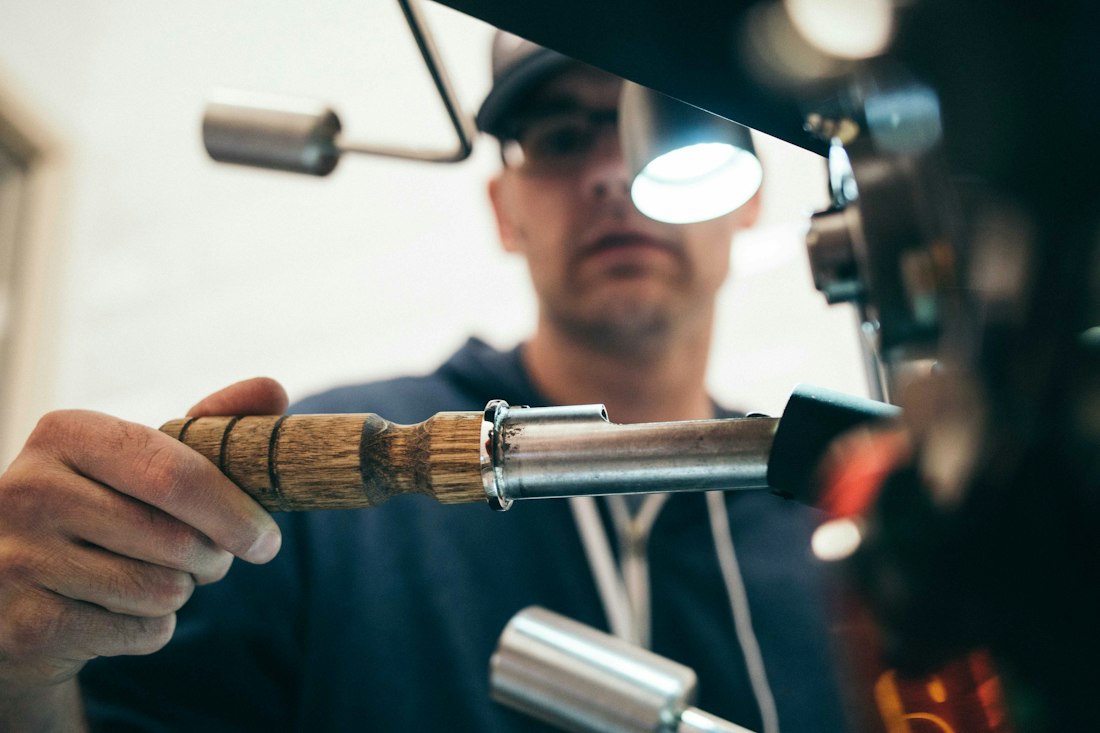
A properly installed flag spike ground stake provides a stable, upright base for any outdoor flag display.
Ground stakes are manufactured in a wide range of sizes, materials, and load capacities to suit everything from small decorative garden flags to large commercial feather banners. Understanding the differences between these options is key to making the right purchase for your specific needs.
Types of Flag Spike Ground Stakes
The market offers several distinct types of flag spike ground stakes, each engineered for a different application. Selecting the correct type ensures maximum durability and display quality.
Screw-In Spike
Features a helical thread at the base. Twisted into the ground for an exceptionally firm hold — ideal for soft or loose soil conditions.
Push-In Spike
Straight, tapered design driven directly into the earth. Quick to install and remove — perfect for temporary event setups.
Sleeve Ground Stake
A two-part system with a permanent ground sleeve. The flagpole slides in and out freely — preferred for reusable commercial displays.
Weighted Cross Base
A cross-shaped base plate stake for hard surfaces or rooftops where ground penetration isn't possible.
Choosing by Material
Flag spike ground stakes are fabricated from several materials, each offering a different balance of weight, strength, corrosion resistance, and cost:
| Material | Durability | Best For | Rust Resistance |
|---|---|---|---|
| Galvanized Steel | ⭐⭐⭐⭐⭐ | Permanent installations | High |
| Stainless Steel | ⭐⭐⭐⭐⭐ | Coastal / wet climates | Excellent |
| Powder-Coated Steel | ⭐⭐⭐⭐ | Decorative garden flags | Good |
| Fiberglass-Reinforced | ⭐⭐⭐⭐ | Lightweight setups | Excellent |
| Heavy-Duty Plastic | ⭐⭐⭐ | Temporary / indoor use | Excellent |
How to Install a Flag Spike Ground Stake
Correct installation of a flag spike ground stake is critical for safety, longevity, and an attractive display. Whether you are installing a single garden flag or a row of commercial feather banners at an outdoor event, following these steps will guarantee a professional result.
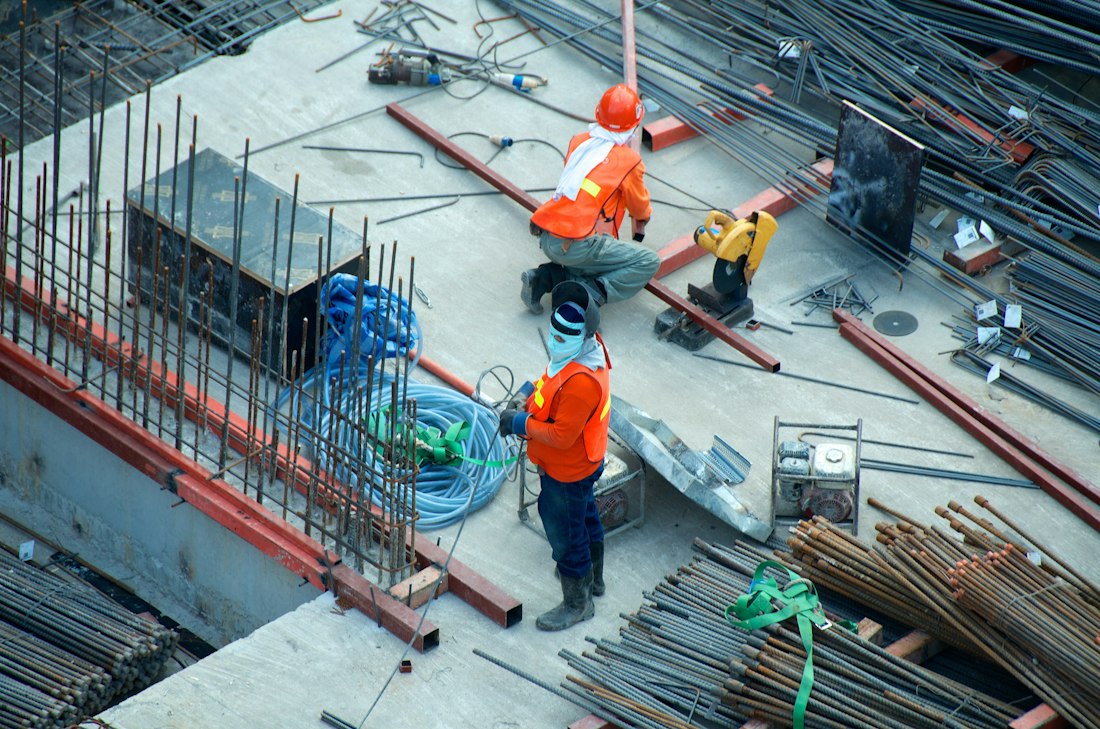
Use a rubber mallet or installation tool for clean, straight ground stake entry.
Select the Right Stake Size
Match stake length to your flagpole height and soil type. For soft garden soil, a 30–45 cm spike is sufficient. For loamy or clay-heavy ground, opt for 50–60 cm with a screw-in design for extra grip.
Mark Your Location
Use a stake or tent peg to mark the exact insertion point. Check for underground utilities if installing near buildings or pavements.
Pre-Loosen the Soil (If Needed)
For compacted or dry ground, use a steel bar to create a pilot hole. This prevents the spike from bending and ensures a perfectly vertical entry.
Drive the Spike In
Use a rubber mallet to drive the stake straight down. Check vertical alignment with a spirit level every few strikes. Avoid metal-on-metal hammer blows that can deform the stake top.
Attach the Flagpole
Slide or lock the flagpole into the stake's receiving sleeve. Tighten any set screws firmly. Attach your flag and adjust the tension so it flies freely.
Check Stability and Safety
Apply moderate sideways pressure to confirm there is no wobble. For installations in high-wind areas, use a deeper stake or add a secondary ground anchor.
Common Uses for Flag Spike Ground Stakes
The versatility of the flag spike ground stake makes it one of the most widely used outdoor hardware products on the market. Here are the primary applications across different industries:
1. Garden and Decorative Flags
Homeowners use small push-in ground stakes to display seasonal garden flags, welcome signs, and decorative banners along pathways and flower beds. Lightweight powder-coated stakes are the preferred choice here, offering good durability without visual bulk.
2. Real Estate and Construction Signage
Real estate agents and construction companies rely on heavy-duty flag spike ground stakes to keep "For Sale" and site boundary flags standing upright regardless of weather. Galvanized steel sleeve-style stakes are industry standard for this application due to their reusability.
3. Outdoor Events and Festivals
Event organizers use ground stakes to anchor promotional feather flags, teardrop banners, and directional signage at festivals, markets, car shows, and sporting events. Quick-release push-in stakes are popular here for rapid setup and teardown.
4. Sports Fields and Boundary Marking
Sports clubs, golf courses, and athletics facilities use corner flag spikes and boundary marker stakes to define playing fields precisely and safely. These stakes are typically lightweight and designed for frequent repositioning.
5. Commercial and Corporate Branding
Retail outlets, car dealerships, and hotel forecourts use large feather flag systems mounted on heavy ground spikes to create strong brand presence at the roadside. Stainless steel or fiberglass-reinforced stakes with locking collars are preferred for permanent branded installations.

Commercial feather banners mounted on heavy-duty ground spikes create maximum visibility at outdoor events.
Buying Guide: What to Look For
Purchasing a flag spike ground stake is straightforward once you understand the key specifications to evaluate. Here is what professional installers look for:
Wall Thickness and Gauge
Thicker walls mean greater resistance to bending under side-load from wind pressure. For flags larger than 1.5 m, always choose stakes fabricated from steel with a minimum 2 mm wall thickness.
Tip Design
The spike tip geometry affects how easily the stake penetrates different soil types. A four-sided pyramidal point performs well in most soils, while a hollow core tip works better in clay-heavy ground by reducing suction force when removing the stake.
Receiving Collar Diameter
Ensure the inside diameter of the stake's receiving collar matches your flagpole's outside diameter precisely. A loose fit causes unwanted wobble and vibration noise; too tight and the pole won't seat correctly.
Coating and Corrosion Protection
For year-round outdoor use, always choose hot-dip galvanized or powder-coated finishes as a minimum. For installations within 5 km of a coastline, 316-grade stainless steel is recommended due to its superior salt spray resistance.
Load Rating
Reputable manufacturers provide a stated working load limit (WLL) for their stakes. Always select a stake with a WLL at least 1.5× the expected wind load on your flag. For large flags in exposed locations, consult a structural engineer.
Maintenance and Care Tips
Properly maintained flag spike ground stakes can last a decade or more even in harsh outdoor environments. Follow these maintenance practices to maximize your stake's lifespan:
Seasonal Storage
If you remove your flag stakes for winter storage, clean off any soil residue, dry the stakes thoroughly, and store them horizontally in a dry environment. Stacking stakes vertically can cause thinner ones to bow under their own weight over time.
Lubrication
Apply a thin layer of petroleum jelly or silicone grease to the inside of sleeve-style stakes annually. This prevents the flagpole from seizing inside the sleeve due to corrosion or soil ingress, making future removal far easier.
Safety Considerations
While a flag spike ground stake is a simple piece of hardware, careless installation can create genuine safety hazards. Always observe the following guidelines:
- Never install ground stakes where people may trip or fall onto exposed spike tops.
- Cap unused stakes with a rubber or plastic safety cap when the flagpole is removed.
- Verify that tall flags near roads or footpaths meet local authority height and setback requirements.
- Do not use damaged or bent stakes — replace them immediately.
- In extreme wind conditions, remove flags from their poles to reduce load on the ground stake.
Frequently Asked Questions
What size ground stake do I need for a 3-metre flagpole?
Can I use a flag spike ground stake in concrete?
How do I remove a stuck ground stake from hard soil?
Are flag spike ground stakes suitable for beach or coastal sand?
How long do ground stakes last outdoors?
Final Thoughts
Investing in the right flag spike ground stake is one of the most impactful decisions you can make for any outdoor flag or banner installation. The correct stake ensures your display looks professional, stays safe in all weather conditions, and delivers years of reliable service without constant maintenance.
Whether you are a homeowner looking to add a seasonal garden flag, an event coordinator managing dozens of promotional banners, or a construction professional marking a large site, there is a flag spike ground stake precisely engineered for your application. Take the time to match your stake choice to your soil type, flag size, wind exposure, and display duration — and your flags will fly with confidence for years to come.